

THE LATEST IN TRAUMA-INFORMED CARE
the BLOG
south
Trauma-Informed Blog
|
Trauma-Informed Blog |
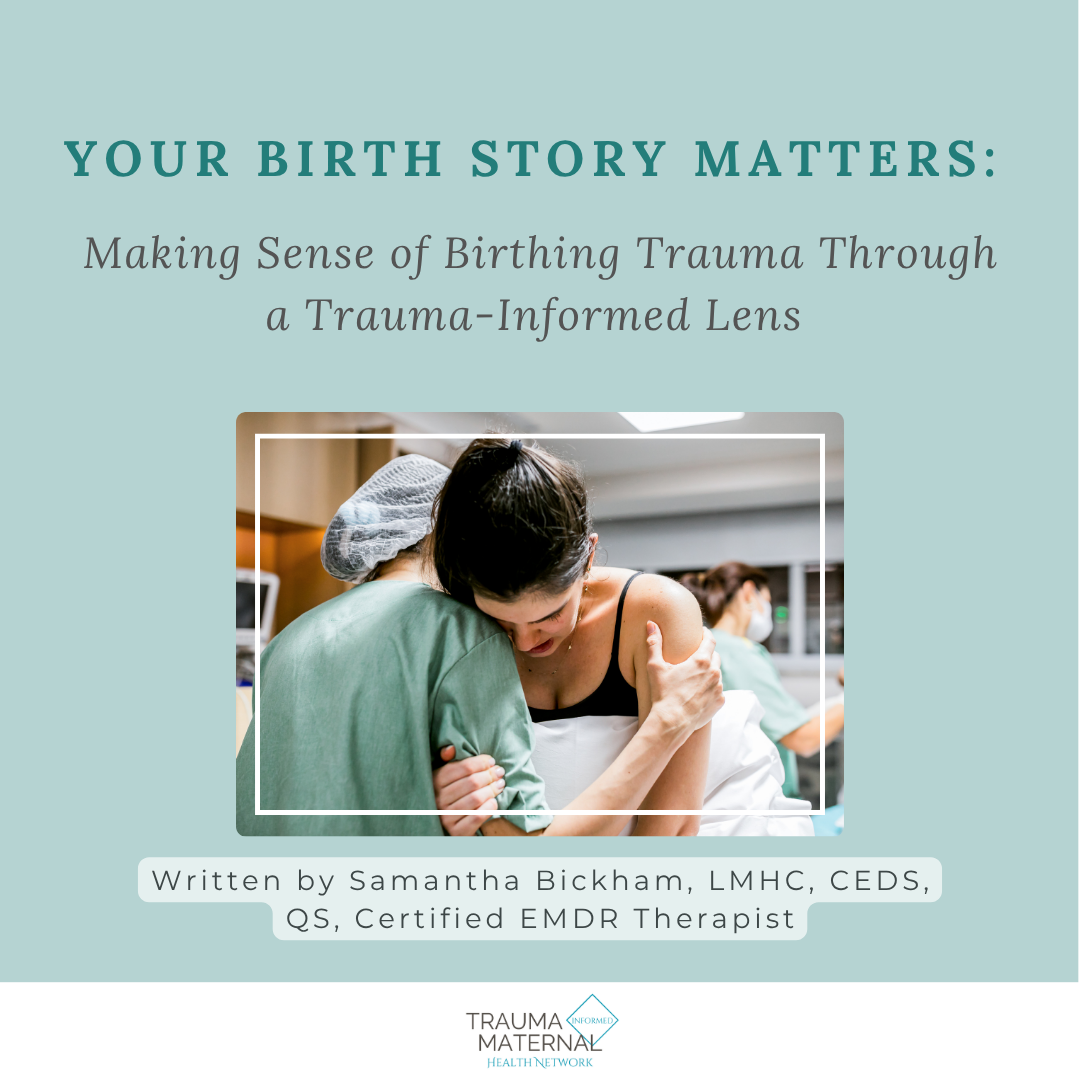
Your Birth Story Matters: Making Sense of Birthing Trauma Through a Trauma-Informed Lens
This blog discusses birthing trauma, common reasons it goes unrecognized, and the lasting impacts it can have. It also highlights how EMDR therapy can support healing by helping individuals safely reprocess traumatic birth memories and restore a sense of safety and empowerment.
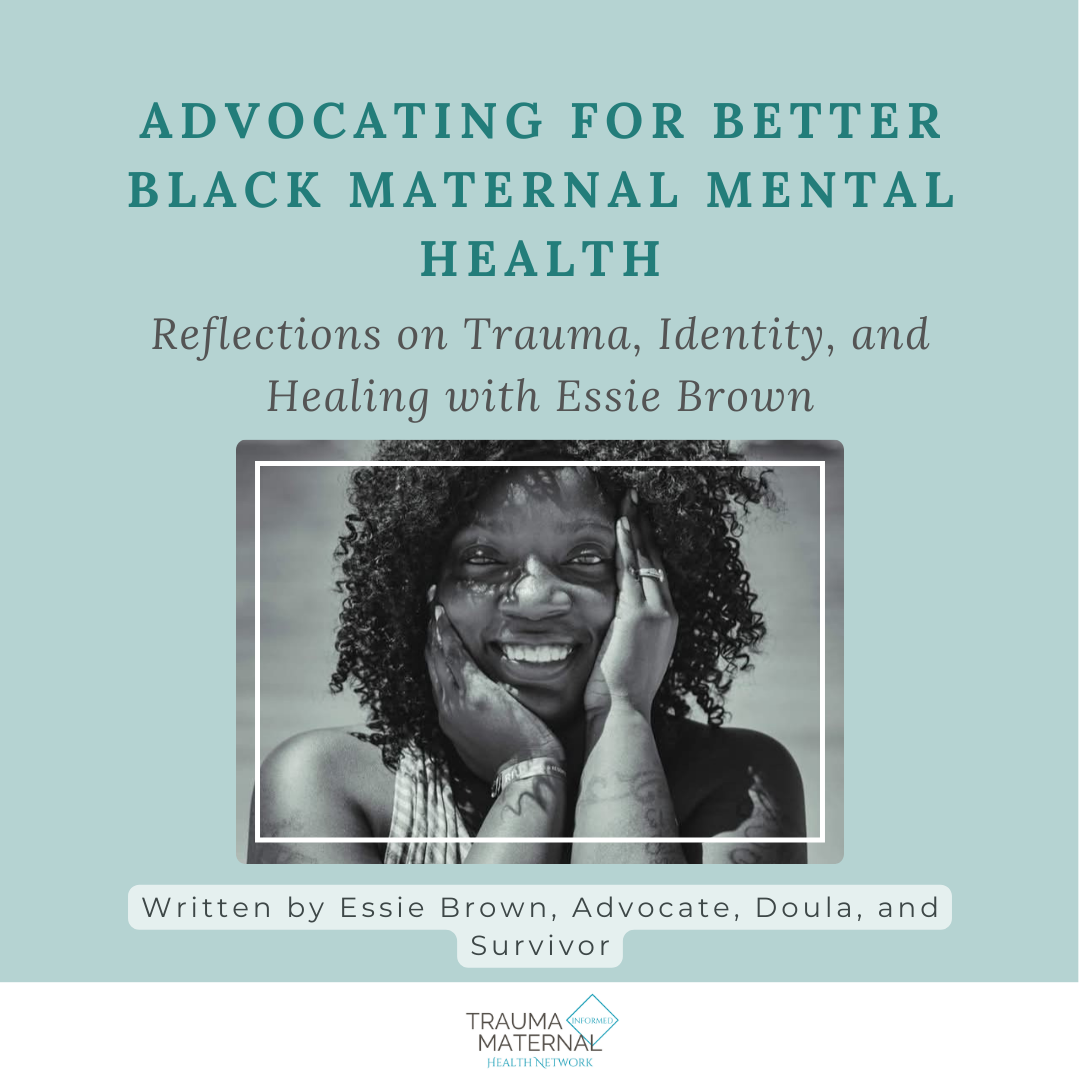
Advocating for Better Black Maternal Mental Health: Reflections on Trauma, Identity, and Healing with Essie Brown
Essie Brown’s journey from surviving life’s challenges to recognizing and healing from trauma is a powerful testament to resilience. Through her story, she explores the hidden weight of normalized trauma, the unique pressures Black women carry, and the importance of support in maternal mental health. Here, you’ll find reflections, insights, and honest conversations that invite recognition, understanding, and compassionate care because healing is not a destination, it’s a movement.

Before She Breaks: Community Care for Black Motherhood
In the birth space, it hides behind forced compliance, medical dismissal, and the pressure to stay strong. Black women remember the tone of a provider’s voice, the fear of not being believed, the moment her control was taken. That memory lives in her nervous system, and it changes how she sleeps, eats, bonds, and copes. Now add adjusting to motherhood with a newborn, sometimes other children, a spouse, work, and an entirely new normal. For Black women, perinatal mental health distress often shows up as:
Isolation
Irritability
Disconnect
Worry
Somatic symptoms (migraines, stomach aches, etc).
But it’s difficult to seek help in a world that has publicly failed Black women time and time again. So we sit in silence hoping for someone to notice the slightest hint of abnormality

What Everyone Should Know About Perinatal Mental Health: Reflections from a Trauma-Informed Therapist
One area that often gets overlooked by birthing people is their personal risk factors for perinatal mental health conditions. Often, people who have had one child and no history of a mood disorder assume they will not be at risk during a later pregnancy or birth. However, birthing people can experience a perinatal mental health condition even if they have no prior history of a mood disorder. Mood disorders do not only impact first-time moms. A birthing person can experience a mood disorder during or after any pregnancy.
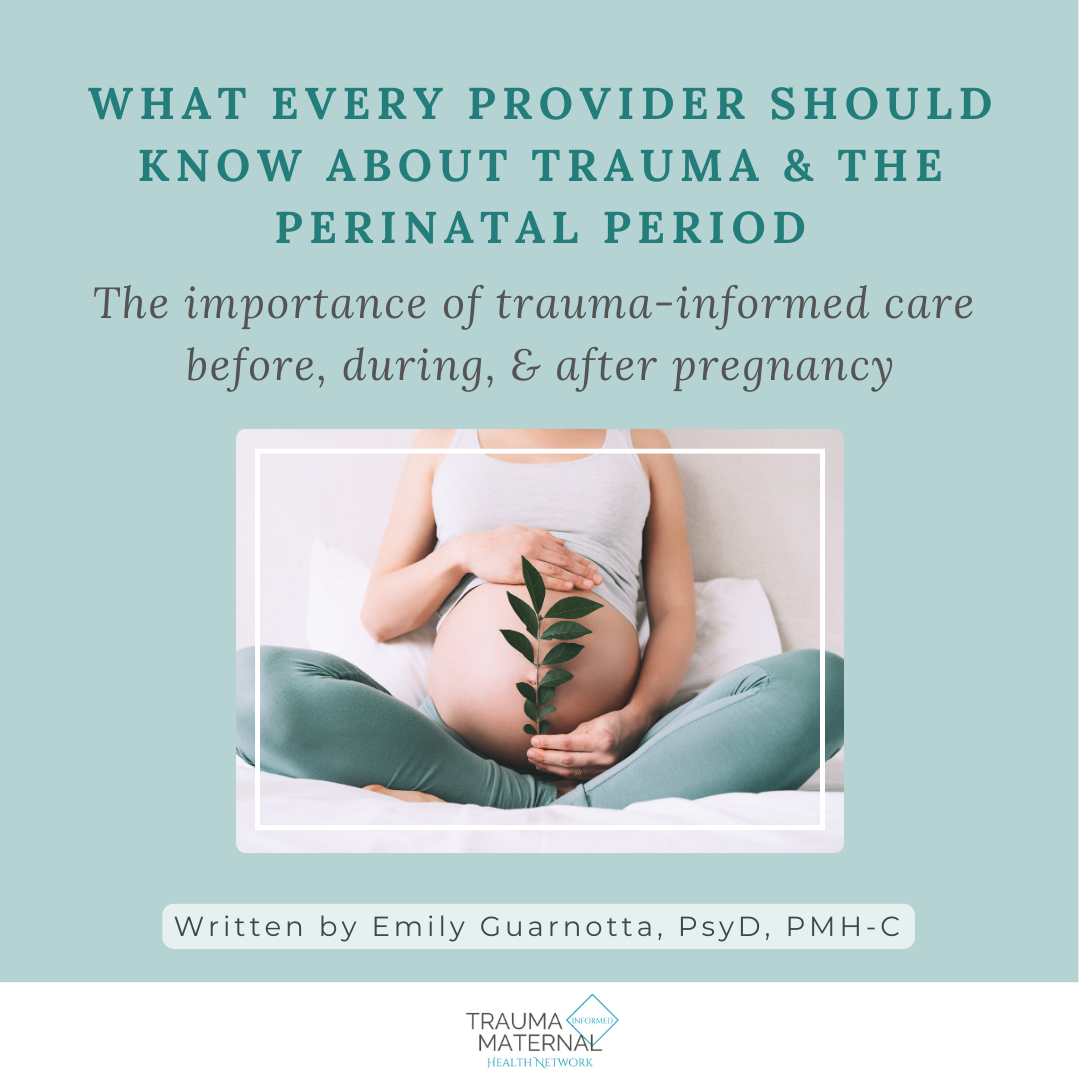
What Every Provider Should Know About Trauma & the Perinatal Period | The Importance of Trauma-Informed Care Before, During, & After Pregnancy
The perinatal period is transformational time and for many, it can also reactivate past trauma. This article explores how trauma can shape the experiences of birthing people, the importance of trauma-informed care, and practical steps that providers can take to offer safer, more supportive care.

How Birth Trauma Can Impact Your Fourth Trimester Experience—and How to Cope
The fourth trimester is a challenging time for many new mothers, but if you’ve experienced birth trauma, you may find this period particularly difficult. Acknowledging your trauma, using healthy coping skills, and connecting with a support system can help you navigate this time.
We are looking for more guest bloggers!
If you are a trauma-informed provider who works with the perinatal population— or a patient with an important story to share— click below to submit a blog proposal.
Please make sure the article is original content that aligns with our values of safety, inclusion, transparency, collaboration, empowerment, and support.